





What Is Cross Training? The Fast Track to Flexible Teams
This article explains what cross training is, why it matters, real-world examples, and how organizations can implement cross training effectively without overwhelming employees.
Build the case for our AI Workshop
Intellezy Blog
Tips, guides, and industry news to help you build future-ready teams with smarter training strategies.
This article explains what cross training is, why it matters, real-world examples, and how organizations can implement cross training effectively without overwhelming employees.
Promoting a high-performing individual contributor into a management role is a common and logical decision. After all, they know the work, understand the team, and have demonstrated strong results. But many organizations underestimate what happens next.
Learning and development is entering a decisive phase. Organizations are facing accelerated technological adoption, changing workforce expectations, and persistent talent shortages all at the same time. In this environment, learning is no longer a support function; it is a core driver of performance, adaptability, and long-term competitiveness.
Emotional intelligence isn’t about just being "nice:" it’s about choosing effective responses under pressure. Learn what EQ looks like at work, why it drives performance and leadership, and how to build it through practical daily habits.
Business is moving faster than most people were trained for. Technology evolves, customer expectations shift, and teams are more distributed than ever. The result is simple: what worked in your role last year may not work the same way this year.
In a Learning & Development context, multimodal learning supports workforce development by improving training effectiveness, increasing retention, and helping employees transfer knowledge into daily performance. As organizations continue to prioritize upskilling and reskilling, multimodal learning has become a foundational strategy for modern L&D teams.
In 2026, businesses face rapid change where evolving technologies, shifting workforce expectations, tighter competition, and a constant demand for new skills. For executives, HR leaders, and decision-makers, this means that simply hiring employees isn’t enough. To remain competitive, organizations must invest in employee training and development as a core strategy.
Personalized learning helps your teams build the right skills faster, reduce training waste, and turn every learning program into measurable business impact. This article shows what personalized learning looks like in a corporate context, how it works, and how decision-makers can implement it effectively.
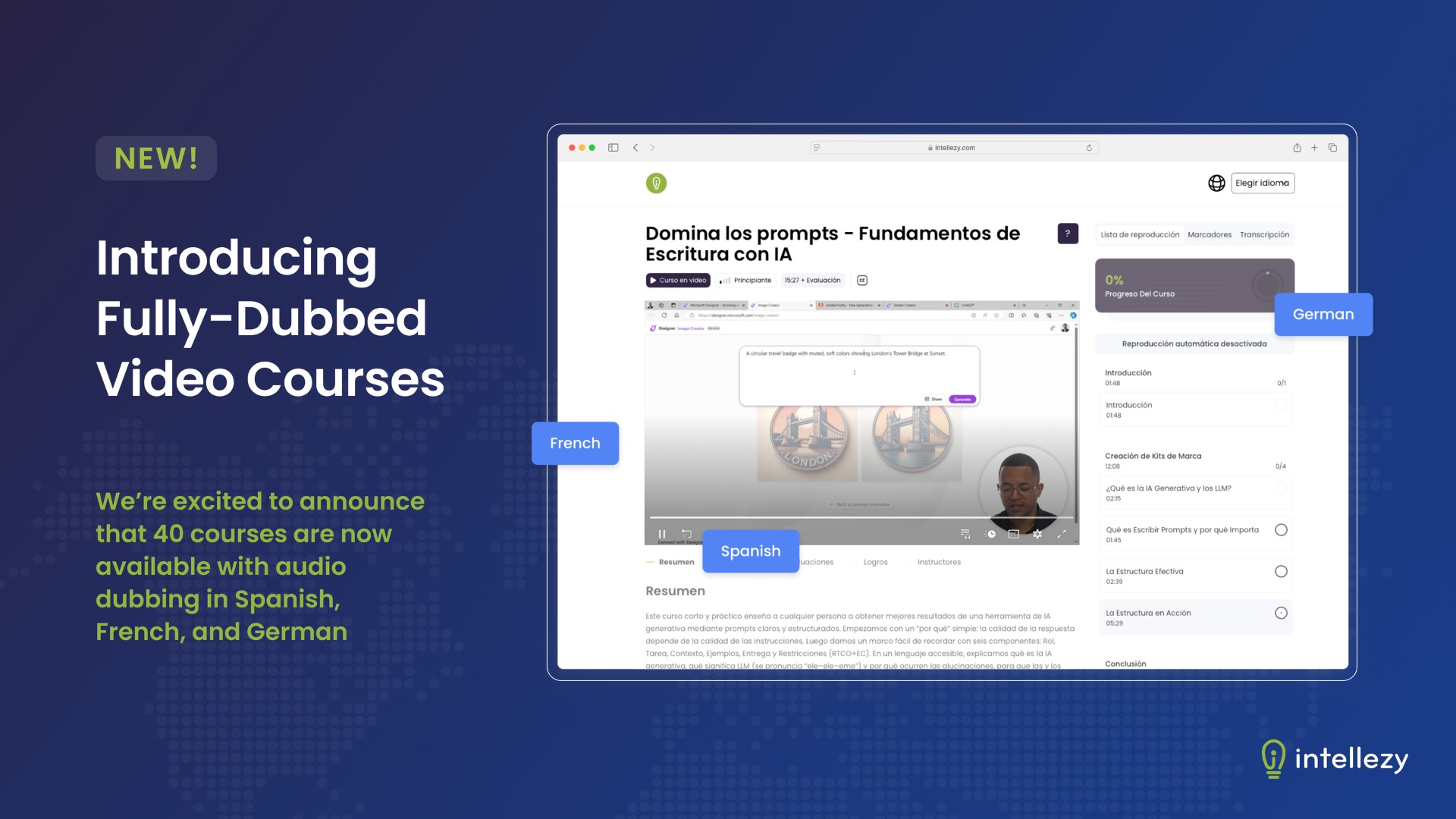
Multilingual eLearning removes barriers by giving people the opportunity to learn in the language they understand best, strengthening comprehension and building trust across a diverse workforce.